
When is the Best Time for Laser Skin Resurfacing?
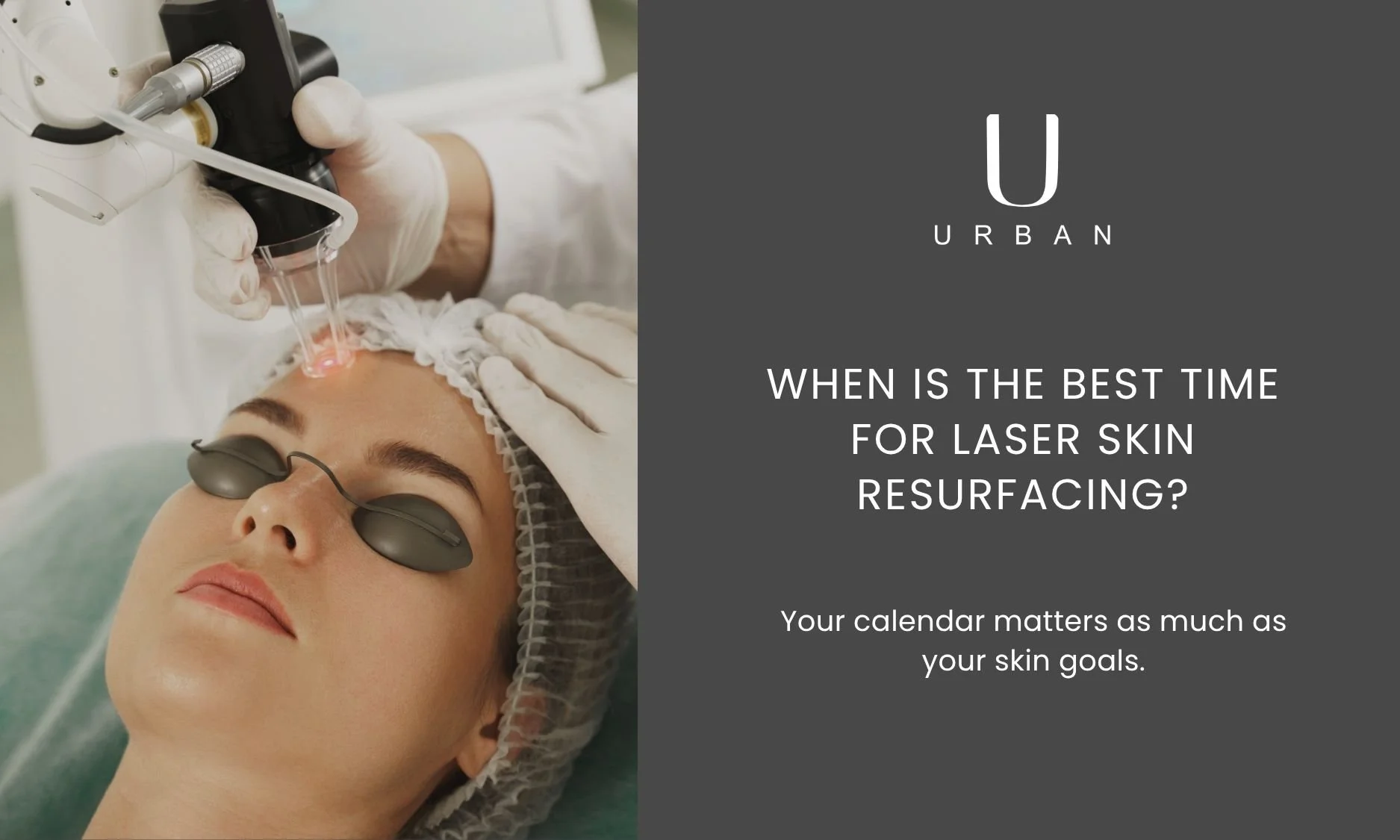
Fall and winter are often the easiest times to get laser skin resurfacing, since it's simpler to keep your skin out of the sun while it heals. The best date for you depends on the laser you choose and how much recovery time fits into your schedule.
The right timing helps you heal smoothly and lowers your risk of dark spots after treatment. At URBAN Medical, we help you plan both the treatment and the date. In this article, you'll learn how to pick a time that works for your skin and your calendar.
Why Are Fall and Winter Popular for Laser Skin Resurfacing?
Cooler weather makes it easier to protect your healing skin from the sun. Less sun on fresh skin means a lower risk of dark spots and a better shot at smooth, even results. Here's what cooler months give you:
Easier Sun Avoidance
Hats and layers feel natural when it's cool out, and you'll likely have fewer pool days and long weekends outside. Sunscreen is still a must in winter, since UV rays reach your skin in every season.
More Flexible Recovery Time
Slower weeks at work and holiday breaks make it easier to stay home for a few days while your skin heals.
Time for Gradual Skin Improvement
Your skin keeps building collagen, the protein that keeps it firm and smooth, for months after treatment. Results can keep improving for up to a year, so a winter treatment gives your skin time to improve before spring and summer plans.
Warmer months can still work if you plan ahead.
Can You Get Laser Skin Resurfacing in Spring or Summer?
Yes, you can often get laser skin resurfacing in spring or summer if you can keep your skin out of strong sun before and after treatment. A tan or sunburn is the main reason we may ask you to wait, since treating tanned or burned skin can raise your risk of burns or discoloration. Here's how to make each season work for you:
Spring Treatment Planning
Spring works well if you're not spending long days outside yet. Book early so your skin can heal before summer vacations start.
Summer Treatment Considerations
Summer takes the most planning, and these habits help keep your skin safe:
Skip tanning for several weeks before and after your appointment.
Wear broad-spectrum sunscreen daily and reapply when you're outdoors.
Use a wide-brimmed hat and stay in the shade.
Schedule around vacations and outdoor sports.
The laser you choose can shape your timing even more than the season does.
How Does the Type of Laser Affect the Best Treatment Time?
Lighter lasers are easier to fit into a busy schedule, while deeper lasers need a clearer calendar because they take longer to heal. Deeper treatments remove more of the outer skin (these are called ablative lasers), which can give you bigger changes with more recovery time. Gentler non-ablative lasers heat the skin underneath and leave the surface in place, so you can often get back to your routine sooner.
We offer several resurfacing options, each with a different level of intensity and recovery time:
CoolPeel
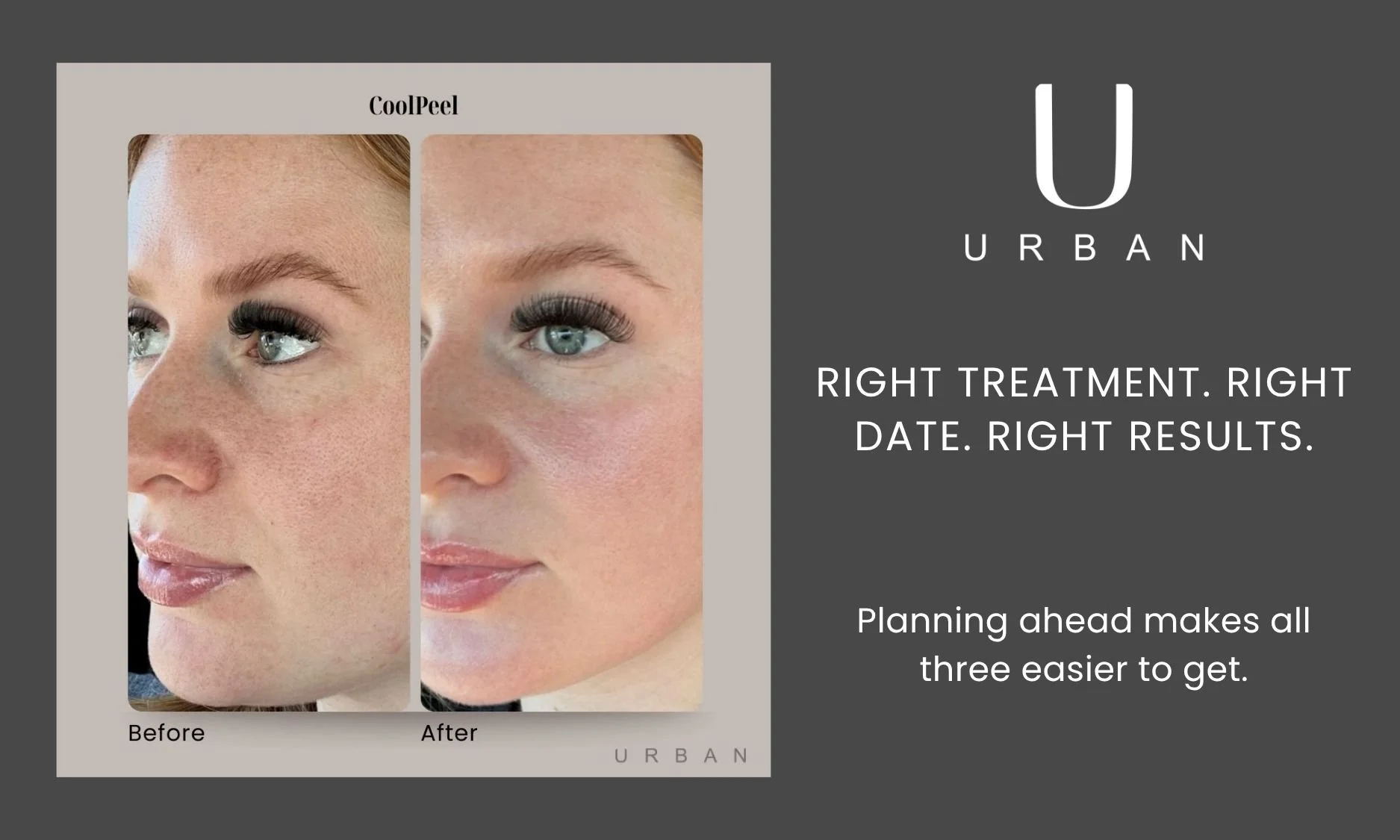
CoolPeel is a superficial fractional CO₂ treatment designed to improve texture, fine lines, pore appearance, complexion brightness, and visible sun damage with minimal downtime. It can be a good fit if you want refreshed-looking skin without planning for an extended recovery period. Some patients may still experience temporary redness, warmth, dryness, or peeling.
HELIX Fusion
HELIX Fusion pairs a CO₂ laser with a gentler non-ablative laser, so we can adjust the strength to your goals and the recovery time you can handle.
NanoLaserPeel
NanoLaserPeel provides very superficial resurfacing to refresh dull-looking skin and improve mild roughness and visible signs of sun damage. Because it is less intensive than deeper resurfacing treatments, recovery is generally easier to fit around work and everyday activities. The amount of redness or peeling depends on the settings used.
MicroLaserPeel
MicroLaserPeel removes a controlled, superficial layer of damaged skin and is generally performed more deeply than NanoLaserPeel. It may address more noticeable roughness, fine lines, and sun damage. Because it is more intensive, you may need to plan for more visible redness, peeling, and healing time.
Tetra CO₂ Resurfacing
Tetra CO₂ resurfacing is our deeper option for wrinkles and rough texture. It can give you more noticeable results, and it typically takes about one to two weeks to heal.
Contour TRL Deep Resurfacing
Contour TRL is a deeper resurfacing treatment designed for concerns such as pronounced wrinkles, rough texture, and more significant sun damage. Because it works more aggressively than superficial resurfacing, it generally requires a longer recovery period and more careful scheduling around work, travel, and important events.
CO₂ Deep Resurfacing
CO₂ deep resurfacing is one of the more intensive resurfacing options and may be used for deeper wrinkles, advanced texture concerns, scars, or more extensive sun damage. Recovery can involve significant redness, swelling, peeling, crusting, and sensitivity, so schedule this treatment when you have enough time to heal without rushing back into work, travel, or major social plans.
Once you know which level of resurfacing fits your goals, it becomes much easier to choose a time of year and recovery window that works for you.
How Much Recovery Time Should You Plan Around?
Recovery can take a few days after a lighter treatment and about a week or two after a deeper one, depending on your laser and how your skin heals. You may notice redness, swelling, dryness, or peeling.
Before you book, leave extra time around:
Work meetings and video calls
Weddings, parties, and photos
Holidays and travel
Workouts and outdoor plans
Recovery happens in two stages:
Social Downtime
This is the stretch when you may want to stay home while redness or peeling fades.
Full Skin Recovery
Your skin can look ready for the office while it's still healing underneath. Treated skin can stay extra sensitive to sunlight for up to a year, so keep up your sunscreen long after you look healed.
Good prep before your appointment helps recovery go more smoothly.
How Should You Prepare Before Laser Skin Resurfacing?
To prepare for laser skin resurfacing, stay out of the sun and give us your full health history. Tell us about:
Medications, especially any that make your skin more sensitive to the sun
Recent cosmetic procedures
Health conditions
Smoking
The skincare products you use now
We may ask you to pause certain products or medications, so follow our directions and don't stop a prescription on your own. If your skin is tanned or you have a sunny trip coming up, moving your date back can help protect your results.
Who Should Be More Careful About Timing Laser Resurfacing?
You may need a more personalized schedule if your skin history or current skin condition calls for extra care. Your skin tone can affect which laser and settings we choose, since some skin tones are more likely to develop dark spots after treatment. Darker skin can still be treated, and we'll adjust the approach to lower that risk.
We may also want extra time to review:
An active skin infection or irritation
A history of raised or unusual scarring
A history of cold sores, since you may need preventive medicine before treatment
A pregnancy or other health concern
Your skin's needs also shape how many sessions you'll plan for.
Is One Laser Skin Resurfacing Session Enough?
One session may be enough for some people, especially with a deeper laser, while others get better results from a series of lighter treatments. The number you need depends on:
The type and depth of the laser
The concern you're treating
How severe that concern is
The results you want
How your skin responds
If you need a series, count backward from any big event so each session has time to heal. Results can last for years, and you can repeat treatment as your skin naturally ages.
With your treatment and session count in mind, choosing a date gets much easier.
How Can You Choose the Best Time for Your Treatment?
The best time is a window when you can heal fully and stay out of strong sun. Run through these questions before you book:
Is your skin tan-free, with no sunny trips planned soon?
Does your calendar have room for the recovery your laser needs?
Is your next big event far enough away to allow healing?
Can you stay out of the sun and follow your aftercare plan?
How many sessions might your goals take?
If most of these line up, you've found a good window, and for many people that window falls in fall or winter.
Your date and your treatment choice go hand in hand.
Which Laser Resurfacing Treatment May Fit Your Skin Goals?
The right treatment depends on what you want to improve and how much downtime you can fit in. Here's how common goals line up:
Lighter Resurfacing Goals
If you want brighter, smoother skin or help with mild sun damage, a lighter treatment like CoolPeel may give you a fresh look with little time away from your routine.
More Intensive Resurfacing Goals
If deeper wrinkles or rough texture bother you most, a stronger option like Tetra CO₂ may give you bigger changes, with more recovery time to match.
Combination Treatment Planning
For some patients, we pair CO₂ resurfacing with VirtueRF microneedling in our Ultimate Duo treatment. RF microneedling uses tiny needles and radiofrequency heat to work on deeper layers of skin. We only recommend combining treatments when it fits your goals.
The sooner you start planning, the more options you'll have.
When Should You Schedule a Laser Resurfacing Consultation?
Schedule your consultation a few months before any big event, so you have time to heal and see results before the day arrives. Booking early also keeps deeper treatments on the table, since they need more lead time.
Plan Your Laser Skin Resurfacing With URBAN Medical
URBAN Medical offers personalized laser skin resurfacing in Gilbert, Arizona, and in Fishersville, Virginia. Book a consultation, and we'll help you choose the right treatment and the best time to get it, so you can enjoy smoother, clearer skin on your schedule.